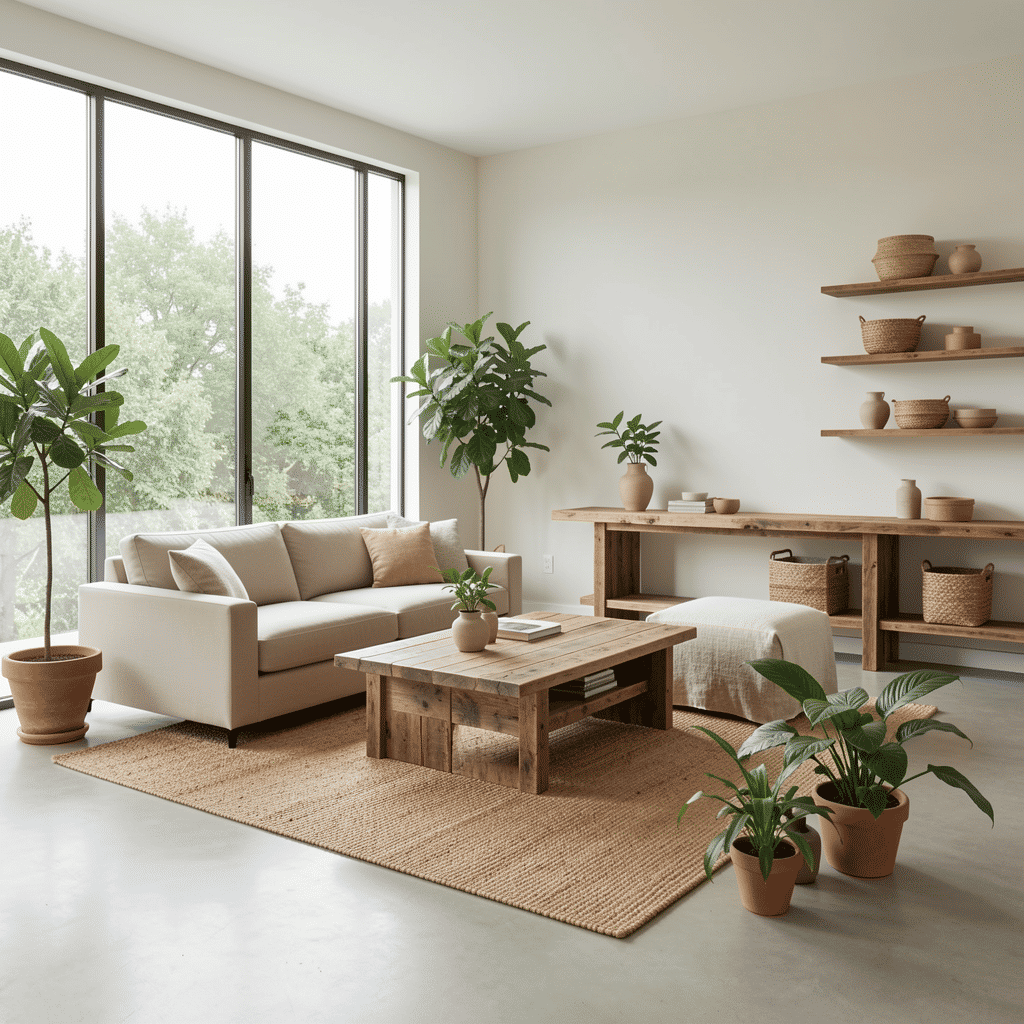
As we step into 2024, sustainable living continues to be at the forefront of modern home design, showcasing a harmonious blend of style, functionality, and environmental consciousness. This year, the trend emphasizes the use of sustainable materials, transforming interiors into eco-friendly havens that not only champion the planet but also enhance living spaces with a sense of tranquility and well-being.
One of the most prominent sustainable materials gaining popularity is bamboo. Renowned for its rapid growth and minimal environmental impact, bamboo is making waves in flooring, cabinetry, and even furniture design. Its natural warmth and versatility make it a preferred choice for homeowners who seek to incorporate a touch of nature into their interiors while promoting a renewable resource.
Reclaimed wood is another material stealing the spotlight. Salvaging wood from old structures or even discarded items, reclaimed wood offers a unique narrative to every piece, with its distinctive knots, grain patterns, and color variations. This material not only reduces the demand for newly harvested wood but also adds a rustic charm and historical depth to any room.
In the realm of textiles, organic cotton and linen are leading the charge towards sustainable interior finishes. Free from pesticides and harmful chemicals, these materials are safe for everyone, including children and pets. Their soft textures and durable nature ensure comfort and longevity, effortlessly fitting into both contemporary and traditional design aesthetics.
Recycled materials are also making a significant impact. Glass and metal are the most common options, known for being infinitely recyclable without degrading in quality. Using recycled glass for countertops or metal for fixtures reduces the energy footprint associated with producing new materials, making them excellent choices for eco-conscious consumers.
In terms of innovation, mycelium—a mushroom-based biomaterial—has emerged as a remarkable option for sustainable design. Its ability to grow in molds and take on various shapes and forms allows for endless creative applications, such as furniture and structural components. The biodegradable nature of mycelium ensures that products made from it leave no waste behind, epitomizing the principles of a circular economy.
Moreover, the use of biophilic design elements is gaining traction, as people seek stronger connections with nature in their daily environments. Living walls, indoor gardens, and natural lighting are becoming staples of eco-friendly home design, creating spaces that foster relaxation and mental well-being.
As technology advances, smart homes are becoming more energy-efficient and sustainable. These systems optimize energy consumption by automating lighting, heating, and cooling processes, significantly reducing a home’s carbon footprint. Coupled with energy-efficient appliances and solar panels, modern homes are increasingly self-sufficient and environmentally responsible.
Ultimately, the incorporation of sustainable materials in modern homes reflects a broader societal shift towards environmental stewardship. By choosing products that prioritize renewable resources, reduced waste, and energy efficiency, homeowners are not only investing in the longevity of their own spaces but also contributing to the health of the planet. As sustainable design becomes the norm, it stands as a testament to human ingenuity and our collective commitment to a greener future.