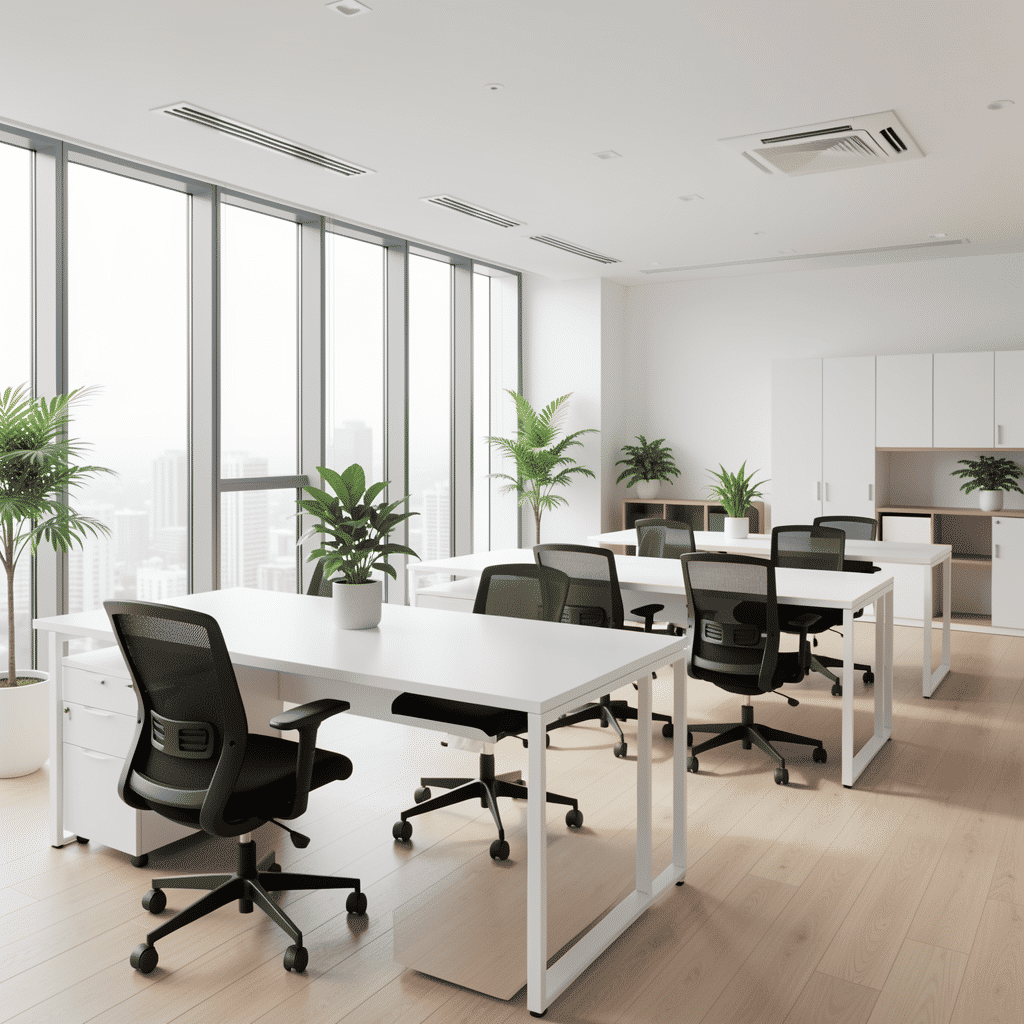
In today’s fast-paced business environment, the physical layout and design of an office can significantly impact employee productivity, satisfaction, and overall well-being. As companies strive to create environments that align with their values and goals, optimizing office spaces has become more crucial than ever. By integrating thoughtful design and innovative layouts, businesses can transform any office into a productivity hub that inspires creativity, collaboration, and efficiency.
The first step in office space optimization is understanding the specific needs of your employees and the nature of your business operations. Conduct surveys or solicit feedback to gauge what employees feel is most important in their work environment. This participatory approach not only ensures that the redesign meets the real needs of the workforce but also fosters a sense of inclusion and investment in the workspace transformation.
One of the most fundamental aspects of an optimized office is maximizing natural light. Studies have shown that exposure to natural light can improve mood, reduce stress, and increase productivity. Designing spaces to allow for ample sunlight, whether through open-plan designs, larger windows, or using glass partitions, can significantly enhance the work environment. Additionally, using lighter colors on walls and floors can help reflect light, creating a brighter and more cheerful atmosphere.
To further boost productivity, consider incorporating flexible workstations that allow for both individual work and group collaboration. Movable furniture, adjustable desks, and modular meeting areas can cater to diverse work styles and tasks. This flexibility also ensures that the office can be easily reconfigured as the needs of the business evolve. Providing employees with options for sitting or standing, as well as private areas for focused work, can enhance comfort and efficiency.
Another key element of a productive office is fostering a sense of community. Common areas such as lounges, coffee bars, and kitchen spaces not only facilitate social interactions but also encourage spontaneous brainstorming sessions and relationship-building among colleagues. These informal settings can lead to innovative ideas and solutions that might not surface in a structured meeting environment.
Technology integration plays a critical role in today's office optimization efforts. Equipping office spaces with advanced technological tools and ensuring that they are user-friendly can streamline operations and enhance communication. From smart conferencing systems to ergonomic computer setups, the right technology can support employees in delivering their best work.
Incorporating elements of nature, or biophilic design, is another way to boost employee well-being and productivity. Indoor plants, living walls, and water features can create a calming environment that helps reduce stress. Even artwork that depicts natural scenes can have a positive impact. These elements not only enhance aesthetics but also contribute to a healthier, more inviting workspace.
Finally, sustainability should be at the forefront of any office redesign. Implementing energy-efficient lighting, recycling programs, and sourcing sustainable materials are not only environmentally responsible choices but also resonate with today’s eco-conscious workforce. Creating a workspace that prioritizes sustainability can attract and retain employees who value green initiatives.
By employing these strategic design principles, any business can transform its office space into a dynamic productivity hub. The goal is not only to enhance employee efficiency but also to create an inspiring and supportive backdrop for the continuous growth and success of the company. With a thoughtful approach to layout and design, an optimized office becomes more than just a place to work—it becomes a catalyst for innovation and a reflection of the company’s values and vision.