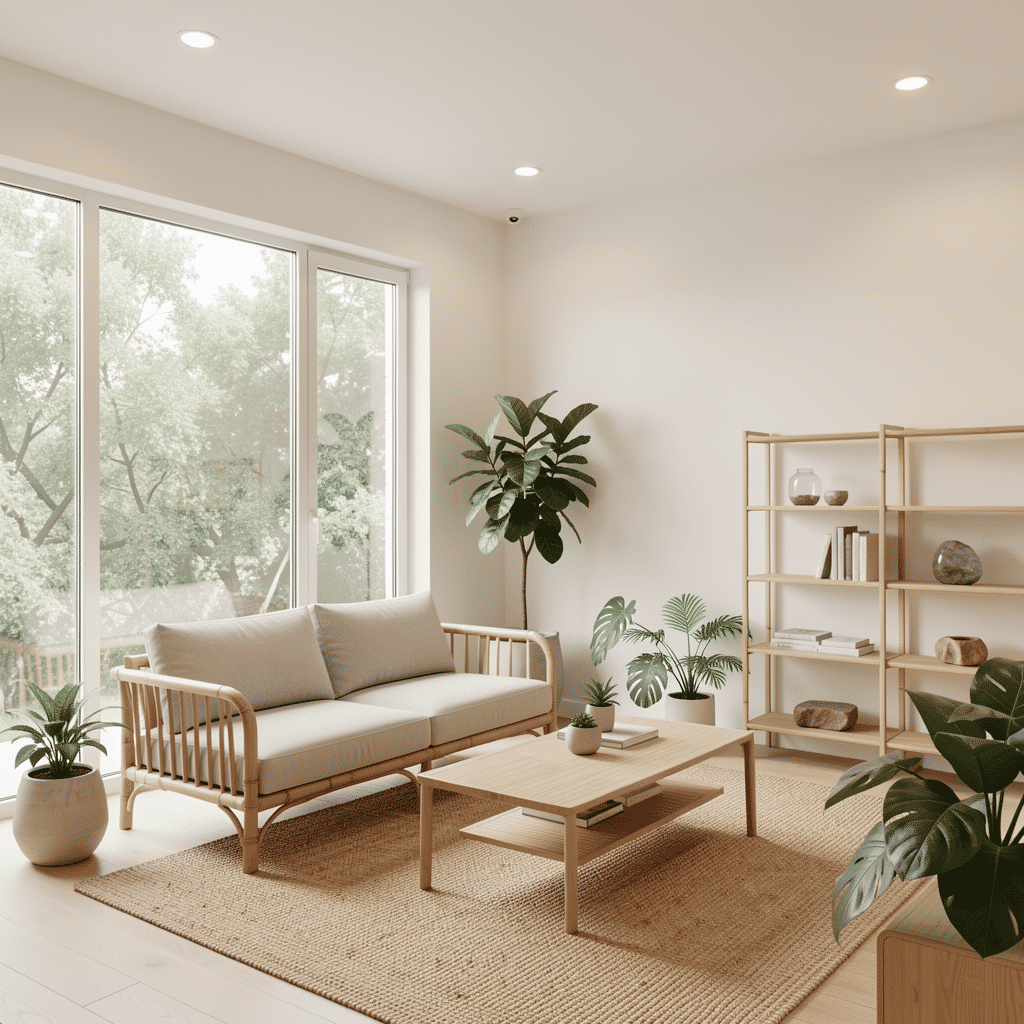
Incorporating eco-friendly designs into our daily lives has become more than just a trend; it’s a necessity in the effort to promote sustainable living. Fortunately, sustainability no longer requires compromising on style. From innovative home decor to sustainable fashion, the options are both vast and appealing.
Home Design and Decor
One of the foremost ways to live sustainably is through our home environments. Eco-friendly designs for the home often start with the materials. Reclaimed wood, recycled metals, and natural stones are not only sustainable but also add a unique aesthetic to interiors. These materials bring character and warmth, making each piece distinct. Moreover, using plant-based dyes and finishes minimizes harmful chemicals in the home, ensuring better air quality.
Lighting also plays a crucial role in sustainable home designs. Switching to energy-efficient LED lights not only reduces energy consumption but also creates a modern ambiance in any room. For those who want a bolder statement, solar-powered lighting fixtures are now available in chic and contemporary styles.
Furniture and Textiles
Sustainable furniture design combines functionality with minimal environmental impact. Materials such as bamboo, known for its rapid growth and regenerative properties, are commonly used. Additionally, modular furniture designs that adapt to different needs reduce the need for multiple pieces, promoting minimalism and reducing waste.
When it comes to textiles, organic cotton, linen, and hemp are ideal choices for those seeking eco-friendly options. These materials are durable and decompose much faster than synthetic fabrics, reducing the burden on landfills. Moreover, brands are increasingly prioritizing fair trade practices, ensuring that the production process respects both environmental and human resources.
Fashion Forward
Sustainable living extends beyond the walls of our homes, reaching into our wardrobes. Eco-friendly fashion combines stylish designs with ethical sourcing, resulting in clothing that’s as responsible as it is beautiful. Many designers now use organic or recycled materials in their collections, while brands are committing to zero-waste policies and minimizing the carbon footprint associated with production.
Furthermore, the rise of slow fashion encourages consumers to invest in timeless pieces that transcend seasonal trends. By focusing on quality over quantity, slow fashion challenges the fast fashion model, reducing both consumption and, consequently, waste.
Outdoor Living Spaces
For those with outdoor areas, creating sustainable living spaces can be both rewarding and environmentally friendly. Using native plants reduces water usage and supports local pollinators. Incorporating elements such as rain gardens and permeable paving helps manage stormwater runoff naturally.
Additionally, outdoor furniture made from recycled materials such as plastic bottles or urban wood combines durability with sustainability. These designs often mirror high-end aesthetics, proving that eco-friendly doesn’t mean sacrificing style.
Technological Integration
Even technology has found its place in sustainable living, with innovations like smart home systems optimizing energy use. Devices that control heating, lighting, and even appliances can significantly reduce unnecessary energy consumption, aligning modern convenience with sustainable practices.
Conclusion
Eco-friendly design is redefining sustainable living, showing the world that environmental responsibility and excellent style can coexist. By integrating these design principles into everyday life, each of us can take a step toward a more sustainable future without compromising the aesthetics we cherish. Whether through thoughtful home design, conscientious fashion choices, or innovative technology, living sustainably is not only possible but ideally stylish.